Costco selling gold bars: how it started
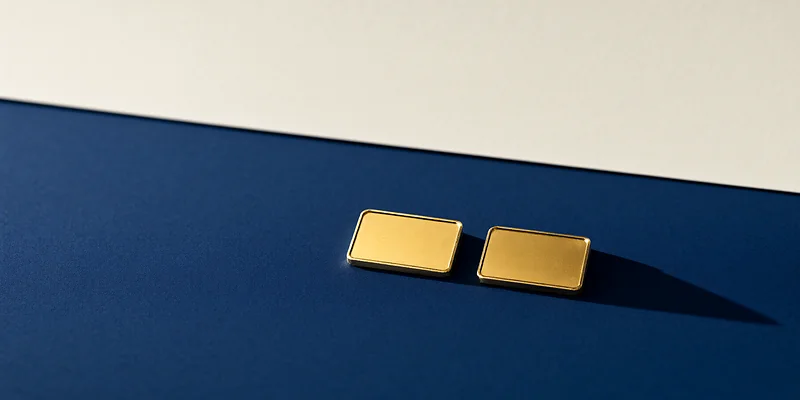
Costco began selling 1 oz gold bars on its website in the summer of 2023, starting with bars from PAMP Suisse and Rand Refinery. By that September, CFO Richard Galanti was saying the bars were typically gone within a few hours of going up on the site. That pattern has held since, and the reason is price: Costco sells gold at a thin premium over spot, and plenty of buyers know it.
From a website test to $100 million a quarter
On the December 2023 earnings call, Galanti said Costco had sold more than $100 million of gold bars in its fiscal first quarter, which ended November 26. Members were limited to two bars each at the time, and asked about holiday shopping trends, his answer was short: "They're buying gold."
Silver followed in early 2024, as tubes of 25 Canadian Maple Leaf coins that also sold out online, and Galanti credited gold and then silver with leading that quarter's e-commerce growth. The range has since widened to more refiners, coins and bar sizes, and the per-membership limit has loosened to 4 units per 24 hours.

How Costco prices its gold
Costco doesn't put a fixed markup on gold the way a coin shop might. It reprices each item against spot, aiming at a target premium for that type of product. In 90 days of repricing data from early 2025, I found three tiers: about 2 to 2.5% over spot for 1 oz and larger bars (and the Maple Leaf coin), about 4 to 5% for American Eagle and Buffalo coins, and 10% or more for small bars such as the 25 g PAMP and the 10 g Argor-Heraeus Goldseed.
The prices also lag the market. Premiums clustered most tightly against the spot price about two hours before each new price appeared on the site, which suggests Costco sets a price, then takes a couple of hours to publish it. If spot climbs in that window, the new price lands below target and sells out fast. If spot falls, the item sits. On May 12, 2025, after spot dropped about 2.6% on tariff news, a 1 oz Rand Refinery bar came back at a 6.2% premium and was still in stock when I posted that afternoon.
What the premium data means for buyers
Good prices are short-lived and less common than forum screenshots suggest. Across 2,073 restocks in that same early-2025 window, the middle half of prices sat between 0.8% and 2.4% over spot. A price at or under 1% over spot turned up on only about a third of days, and at or below spot on 12%. The cheaper the listing, the faster it went: three quarters of at-or-below-spot listings sold out within about 3 minutes, while those 4% or more over spot took more than an hour.
So decide your limit before the restock, not during it. If you'll only pay about 1% over spot, expect to buy on a minority of days and to have a few minutes when you do. If 2% is fine, you'll get chances most days. noblets lets you set that ceiling for each item and alerts you, with the price and premium, when a restock comes in under it.

What this means if you're buying
Costco's gold sells out because it's priced close to spot, and the closest prices go first. Premiums come in tiers, so a 1 oz bar will usually cost you less over spot than an American Eagle or a 10 g bar. The occasional bargain comes from the lag between Costco setting a price and publishing it, which is luck, not a pattern you can schedule. Measure every price against spot at the moment you buy.